

Sugar is everywhere- whether we realize it or not, it’s sneaking into our sauces, condiments, and other packaged foods; it’s in our favorite drinks and snacks. From our morning coffee to that mid-afternoon treat, sugar often makes its way into our diet in surprising amounts. The problem isn’t sugar itself, but how much we’re consuming without even noticing. And while we don’t need to label all sugar as “bad,” understanding its role in our overall health is crucial. By reading ingredient lists and nutrition labels, we can better manage our sugar consumption and maintain a healthier balance.
How Much is Too Much?
The American Heart Association recommends no more than 25g of added sugars per day for women (6 tsp or 100 calories) and 36g for men (9 tsp or 150 calories). To put this in context, a Grande Pumpkin Spice Latte (PSL) from Starbucks- which many of us enjoy on our way to work- already surpasses that limit. Let that sink in.
When looking at controlling our weight, added sugars contribute significantly to weight gain. Our bodies simply can’t metabolize excessive amounts of sugar quickly enough, leading to fat storage. This stored fat can accumulate in the liver and contribute to conditions like non-alcoholic fatty liver disease (NAFLD). Added sugar, particularly in the form of fructose, is broken down in the liver. If the liver becomes overwhelmed by too much sugar, the excess is stored as fat. Over time, this can result in a fatty liver.
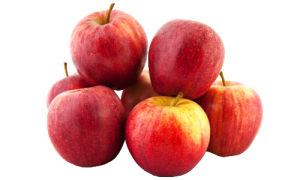 This doesn’t mean that fructose is unhealthy. In fact, fructose is the main sugar found in fruit! The issue lies in the amount. If you see fructose in fruit and think it’s unhealthy, let’s reframe that. How much fruit would you actually need to eat to overload your liver with fructose? You’d need to consume around 3-4 medium apples to get the same 50g of sugar found in that PSL you just downed in a few sips. If you ate those apples, you’d also take in around 15g of fiber, nearly half the daily recommended intake. But fruit juice? That’s a different story. It’s much easier to drink a large glass of apple juice than to eat several whole apples. Apples contain natural sugar in the form of fructose, but they also provide fiber, which slows blood sugar absorption, helps us feel full, and delivers essential nutrients and antioxidants. Case in point – eat your calories and choose whole, real, unprocessed foods.
Excess Sugar’s Impact on Overall Health
Excess added sugar doesn’t just contribute to weight gain – it wreaks havoc on various systems in the body. Excessive sugar intake has been linked to metabolic syndrome, obesity, diabetes, heart disease and as mentioned, fatty liver. Here are a few key examples:
Obesity: High-sugar diets contribute to caloric excess, leading to weight gain. Obesity is a major risk factor for conditions like heart disease, diabetes, and certain cancers.
Diabetes: Excess sugar increases insulin resistance, making it harder for your body to regulate blood sugar levels, which can lead to Type 2 diabetes.
Heart Disease: Too much sugar raises blood pressure and promotes inflammation, which are both major precursors to cardiovascular issues.
Fatty Liver Disease: High consumption of fructose such as high fructose corn syrup or excessive amounts of added sugar (sucrose), increases the risk of developing NAFLD.
Metabolic Syndrome: A group of conditions- including high blood sugar, high blood pressure, visceral adiposity (“belly fat”) and abnormal cholesterol levels- are linked directly to sugar consumption.
Our bodies are not designed to handle the amount of sugar we’re currently consuming. Over time, this can overwhelm our cells, leading to chronic inflammation and cellular dysfunction.
Understanding Your Sugar Intake
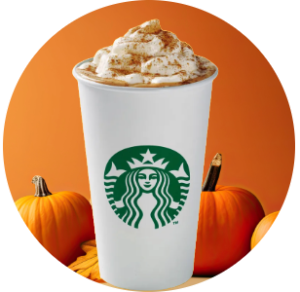 Just how many teaspoons of sugar are in that Grande PSL? A Grande latte with just milk and espresso contains 190 calories and 18g of naturally occurring sugars from the milk. But the Grande PSL? It contains 390 calories and 50g of sugar, of which 32g are added sugars! We’ve blown the daily recommended intake of added sugar by breakfast. That 390 calories could have been a nourishing meal containing protein, fiber, and healthy fats, which would keep you full and reduce cravings without overwhelming your body’s systems.
Choosing sugar-free versions of these beverages doesn’t eliminate the issue, either. In the short term, sure. Artificial sweeteners can help us to decrease that daily number of added sugars while still enjoying a sweet treat. In the long term, however, they can increase our sweet cravings, leading to more caloric intake. So, while you may think you’re avoiding sugar, you could actually be triggering an increase in sweet cravings. Consuming large quantities of artificial sweeteners over time can also disrupt our microbiome, and some artificial sweeteners can cause adverse gastrointestinal side effects. Moral of the story? Everything in moderation, whether you choose regular sugar or artificial sweetener.
Avoiding the Sugar Roller Coaster
Imagine this: you start your day with a PSL loaded with sugar, feel an inevitable crash mid-morning, and then reach for that leftover office pastry. Later, you grab a quick, nutrient-lacking lunch and find yourself snacking on the Halloween candy that’s been making its way into the office. Then, more candy after dinner. Sound familiar?
This sugar roller coaster is a vicious cycle. Excess sugar consumption leads to constant energy spikes and crashes, fueling even more cravings as your body scrambles for balance.
How to Manage Cravings and Still Enjoy a Treat
The good news is that you can reduce sugar cravings by making more nourishing choices. Start your day with a balanced breakfast that includes protein, fiber, and healthy fats, like my Greek Yogurt and Fruit Bowl recipe (below). It has 390 calories (same as that PSL). With 26g of protein, 18g of fat and 10g of fiber, a nourishing meal like this will help stabilize your blood sugar and keep those mid-morning crashes at bay. Additionally, choosing whole foods like fruits, vegetables, lean proteins, nuts and seeds will help you stay full longer, curbing the desire to reach for sugary snacks.
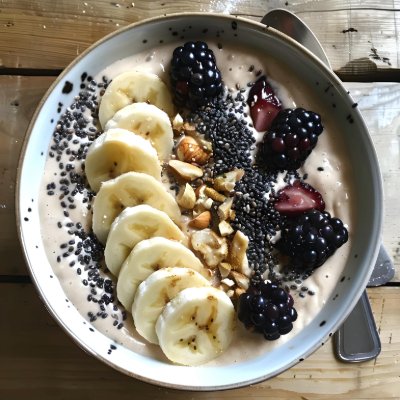
Ingredients:
¾ cup plain nonfat or lowfat Greek yogurt
1 tablespoon chia seeds
1 tablespoon almond butter (unsweetened)
½ cup mixed berries (blueberries, raspberries, or strawberries)
½ medium banana, sliced
1 tablespoon nuts/seeds of choice, such as walnuts or pecans (chopped) or pumpkin seeds (whole)
Optional: a dash of vanilla or almond extract, and/or cinnamon
Directions: In a bowl, start with the Greek yogurt as your base.
-
-
- Mix in the chia seeds and almond butter. Stir in vanilla or almond extract, or cinnamon if using.
- Add the sliced banana and mixed berries on top.
- Sprinkle the chopped nuts or whole seeds over the fruit.
- Dig in and enjoy!
-
Meal Prep Tip: You can prepare this ahead of time in small containers for a quick, grab-and-go breakfast. For the best texture, consider adding the nuts and seeds just before eating to keep them crunchy.
Enjoy your ready-to-eat breakfast with minimal prep during busy mornings!
This doesn’t mean you have to avoid Halloween candy completely. Moderation is key. According to the American Heart Association, limiting added sugars to the recommended daily allowance allows room for a small treat without throwing off your overall health goals. So go ahead, enjoy a piece of Halloween candy, but balance it out with nutrient-dense meals throughout the day.
Sources:
https://nutritionsource.hsph.harvard.edu/carbohydrates/added-sugar-in-the-diet/
https://www.starbucks.com/menu/product/418/hot/nutrition
https://www.starbucks.com/menu/product/407/hot/nutrition
https://www.health.harvard.edu/blog/how-healthy-is-sugar-alcohol-202312183002
https://nutritionsource.hsph.harvard.edu/healthy-drinks/artificial-sweeteners/
https://kids.frontiersin.org/articles/10.3389/frym.2019.00051